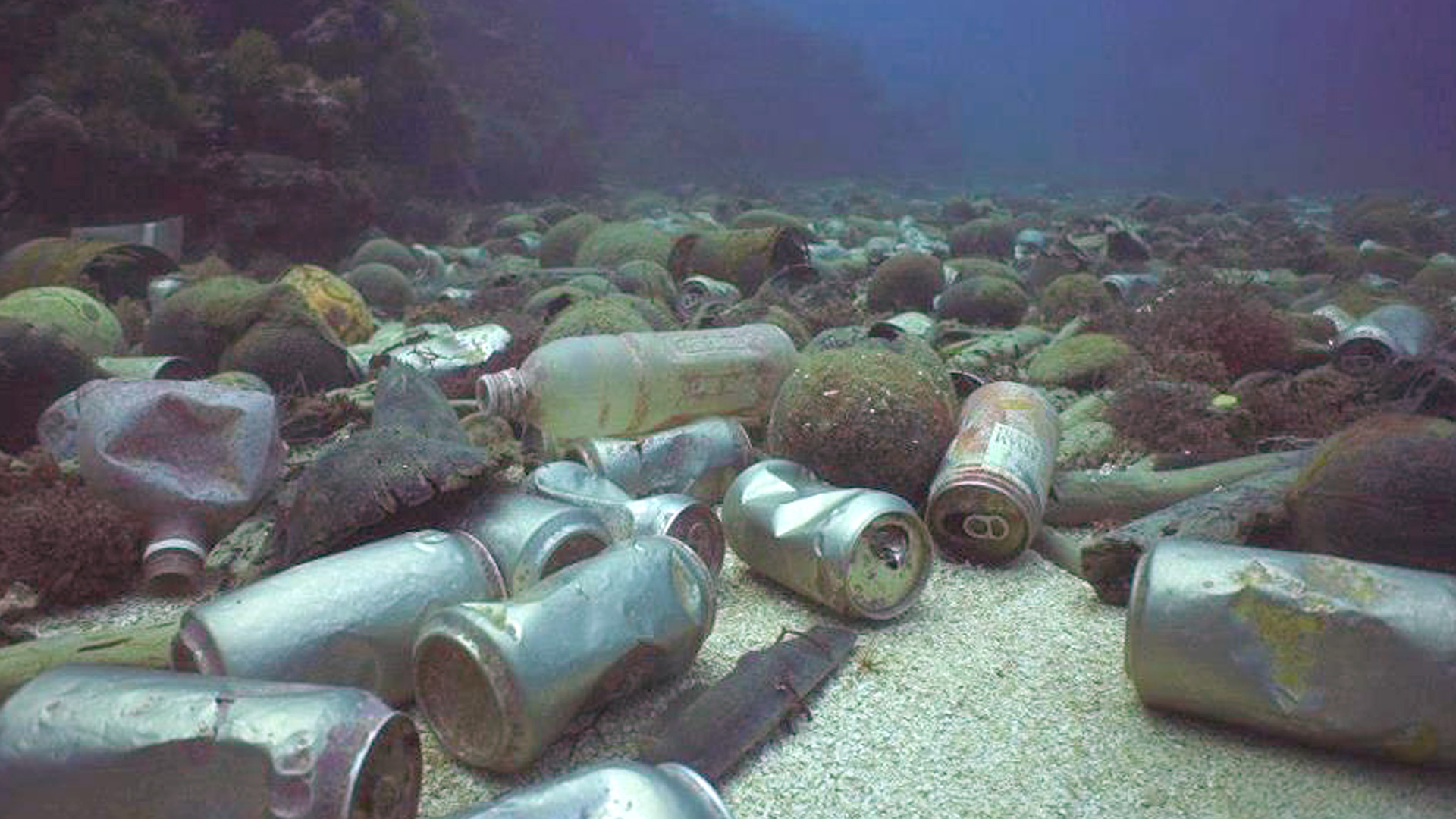


Drinks cans: metal packaging that poses many risks
Metal packaging is everywhere in our daily lives, which raises significant environmental questions. Drinks cans are often presented as champions of recyclability, but their reality in our natural ecosystem reveals that it’s not quite as simple.
Drinks cans: from innovation to surplus
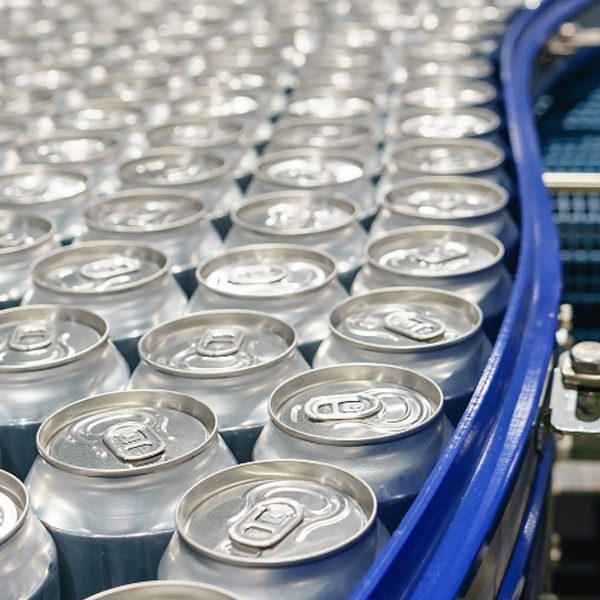
Since being invented in the 1930s and their mass popularization after the Second World War, aluminum cans have revolutionized the drinks industry. They’re light, unbreakable, and easy to transport, making them a symbol of on-the-go consumption.
Over the decades, we’ve moved from artisanal production to industrial production on a dizzying scale. According to current estimates, over 200 billion drinks cans are consumed worldwide every year.
This exponential growth can be explained by rampant urbanization and change in dietary habits, particularly in emerging economies in Asia and Latin America.
However, this technological rise hides a key issue: collection rates haven’t always risen with production increases. Despite aluminum’s properties—it can be recycled forever without losing its qualities—a significant proportion of cans don’t make it to recycling streams.
What was once a practical innovation has, through overabundance, become a worldwide logistical and environmental challenge.
According to current estimates, 200 billion drinks cans are consumed worldwide every year
It’s difficult to put an exact number on how many cans are lying on the seabed, but the orders of magnitude are alarming. According to estimates based on scientific expeditions and citizen cleanups, there are several million tons of metal waste strewn across the sea floor and riverbeds.
Key areas of buildup
Drinks cans aren’t evenly distributed. They’re mainly found in:
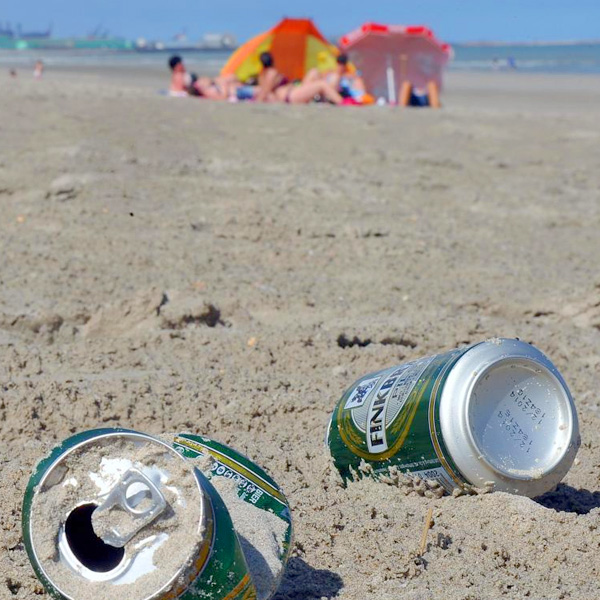
- Coastal and tourist areas: Almost 80% of marine waste comes from dry land, often abandoned on beaches or swept away by the wind.
- River mouths: Rivers act as trash highways, carrying cans from urban areas to the ocean.
- Ocean gyres: While plastics are more visible, metals also build up in these vast whirlpools or flow into abysses.
Contrary to common belief, a can doesn’t disappear in nature. How long does it take a can to break down in water? It’s estimated that a drinks can takes between 200 and 500 years to fully break down in a marine environment. Throughout this long process, it decomposes into metal microparticles that are often invisible to the naked eye.
It’s estimated that a drinks can takes between 200 and 500 years to fully break down in a marine environment
The impact on marine plant and animal life
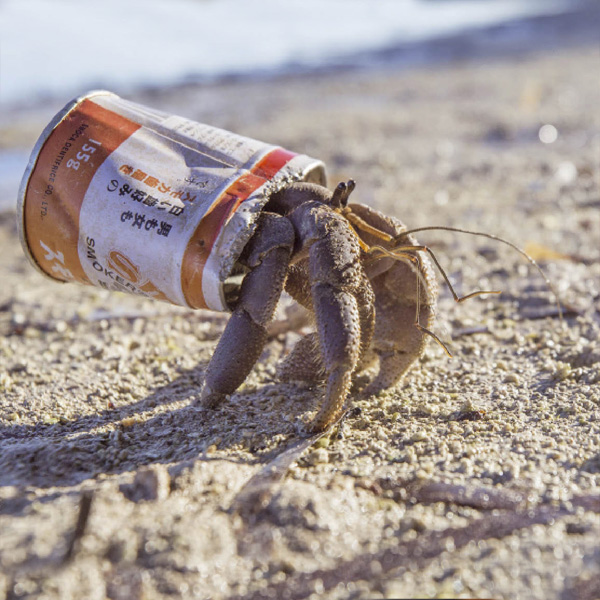
Drinks cans have both a mechanical and a chemical impact on aquatic ecosystems. The danger lies not only in intact cans but also in their slow degradation.
Hazards for marine animals
Marine animals are the biggest victims of this kind of pollution:
- Physical traps: Open cans become deadly traps for small fish, crustaceans, and octopuses, which enter and hurt themselves or are unable to get out again.
- Ingestion of microwaste: As it breaks down, the aluminum and internal coatings (often made using polymers or BPA) release toxic substances. These particles enter the food chain, poisoning fish and, by extension, their human consumers.
Damage to flora and habitats
The presence of heavy metals and paint residue changes the chemical composition of the water locally. Among coral reefs and seagrass meadows, a drinks can on the bottom can suffocate plant life, preventing photosynthesis and destroying habitats needed for species’ reproduction.
Corrosion releases oxides that can disrupt the fragile pH balance in small areas, such as coastal ponds.
Almost 80% of marine waste comes from dry land
In conclusion
Drinks cans represent an environmental paradox. They’re completely recyclable, and yet when left in nature, they create pollution that lasts for centuries. The solution lies not only in improving deposit and recycling systems but in drastically reducing single-use packaging.