

– Our mission –
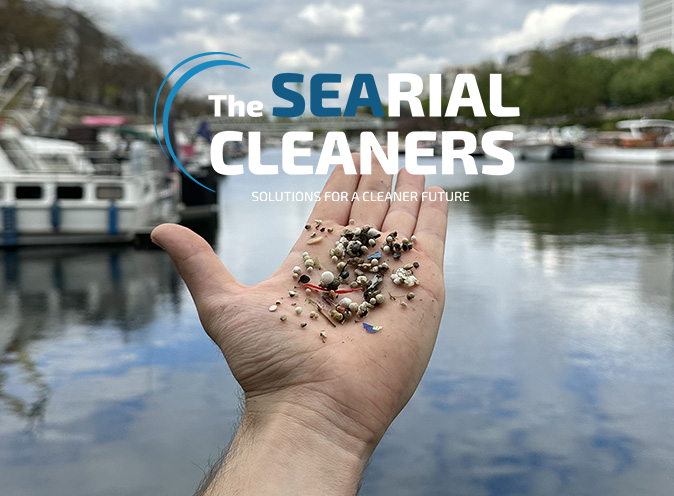
Tackling marine pollution in inland and coastal waters
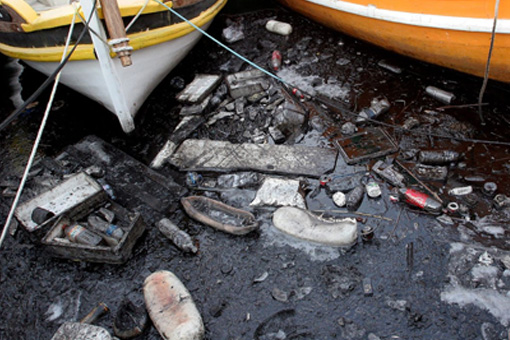
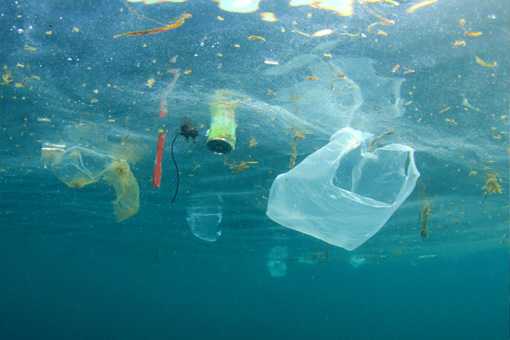
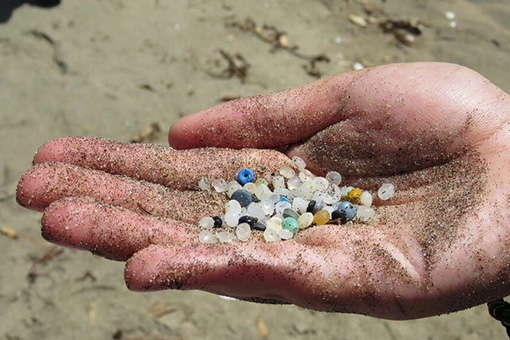
All over the world, whether you’re strolling along the seashore, traveling down a river, or sailing on a lake, you can’t help but notice waste floating on the water’s surface or trapped around boats moored in port. Without action, most of it will end up spread on the banks or trapped in the sediment, where it will start the long, slow, and extremely environmentally damaging process of breaking down.
Professionals, managers, local governments, we face a daunting challenge: helping you tackle marine pollution on a daily basis through high-performance, accurate, complementary, efficient, and lasting collection tools.
The Searial Cleaners – experts in tackling marine pollution –
will call on its network and expertise to minimize the impact of waste on your local area.
– Our scopes of action –
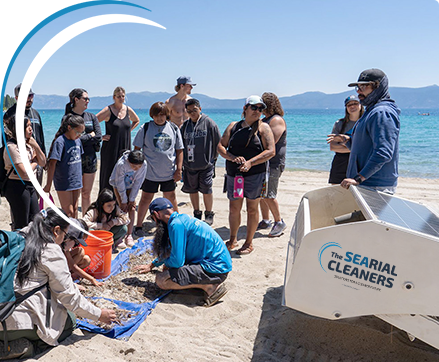
SEAS, OCEANS, COASTLINES
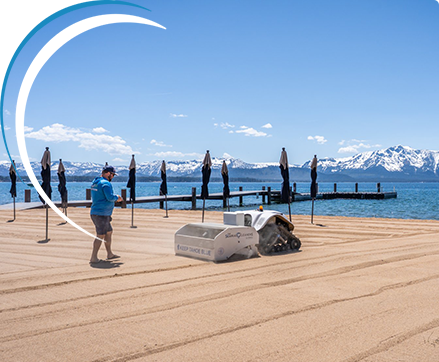
LAKES, PONDS, INLAND WATERS
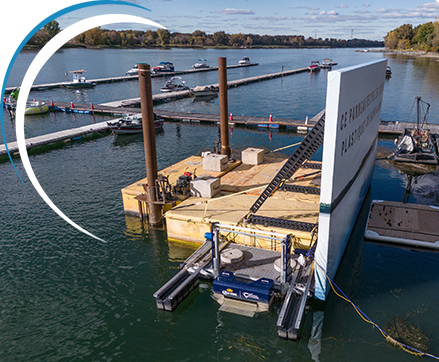
RIVERS
– The Searial Cleaners, aggregating solutions –
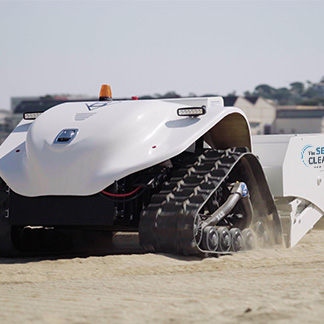
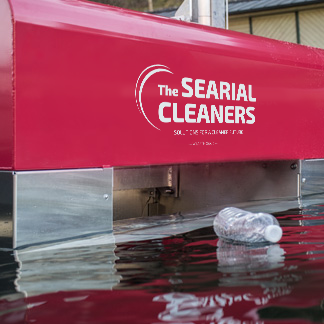
We source and implement the waste collection techniques that best address your pollution problem
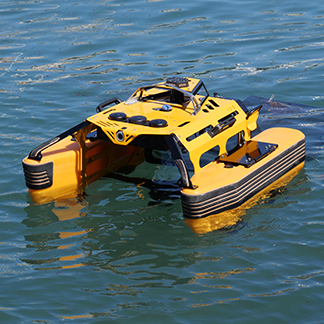
– Experts in tackling marine pollution –
Tackling pollution effectively means:
- Understanding where it comes from
- Analyzing its behavior in the environment
- Studying its impact on ecosystems
- Adapting collection techniques to the environment and the waste’s behavior
- Informing and educating local people about harmful behaviors
- Working to transform practices and mindsets
Tell us about your marine pollution problem
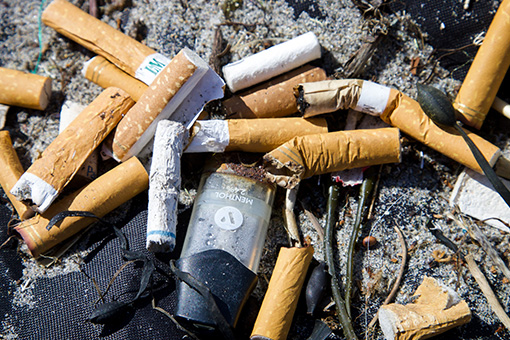
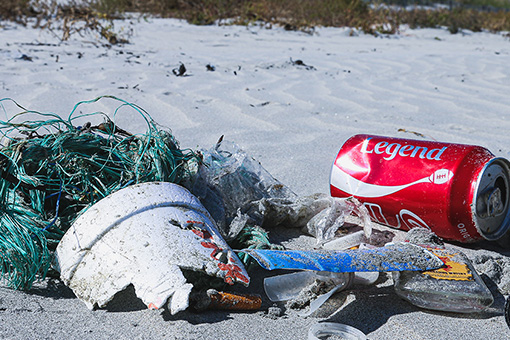
Plastic bottles, fishing nets, cigarette butts, plastic bags, drinks cans, floating waste, standing waste, and more
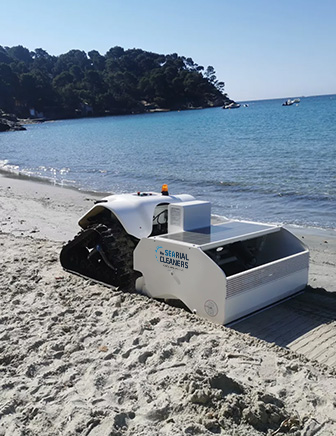
– Bubble curtain –
A simple, innovative, and unique technological solution with multiple applications
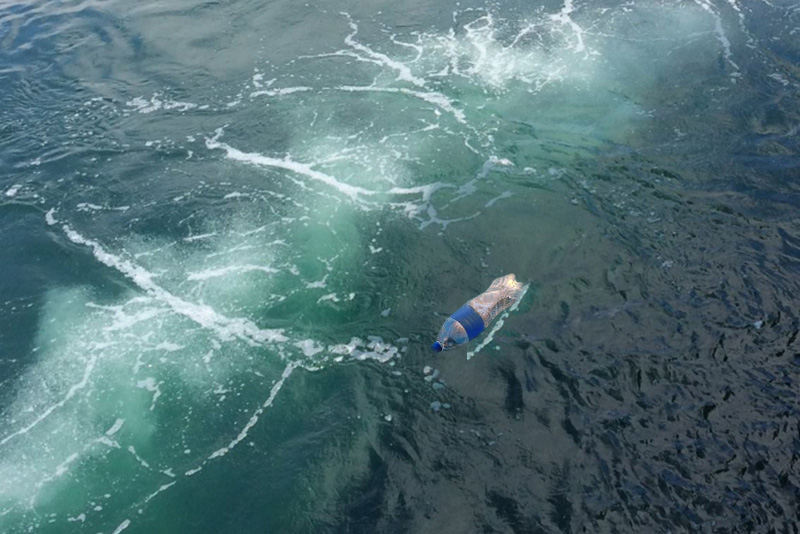
Blocking & redirecting waste
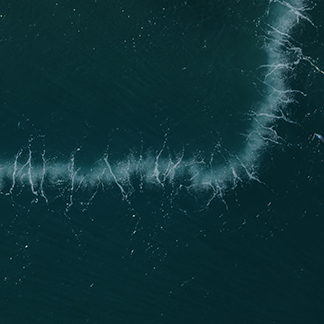
The idea is simple: the bubble curtain creates a natural barrier, blocking waste and redirecting it to a collection point.
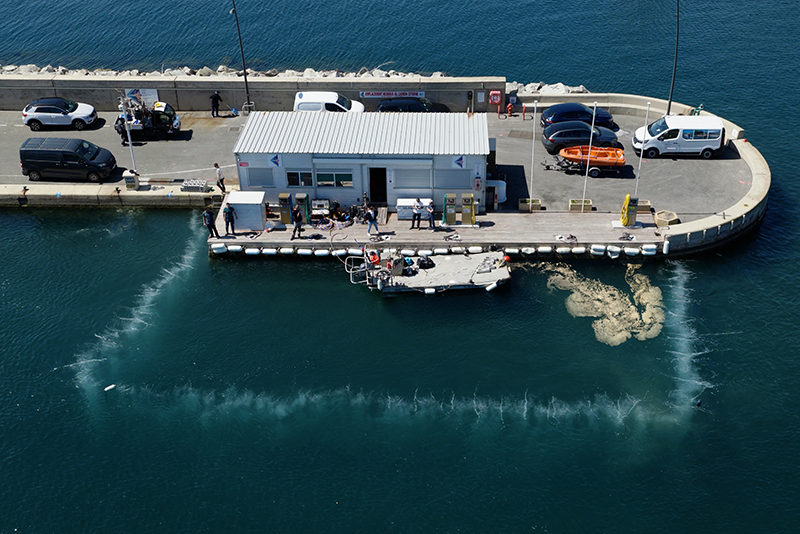
Trapping hydrocarbons
How a bubble curtain can help you stop oil spills from spreading and make it easier to remove them…
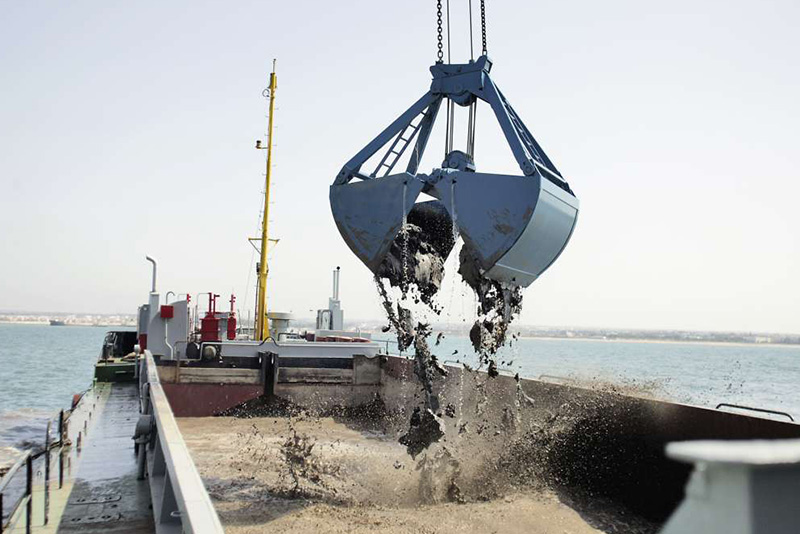
Reducing sedimentation
Tackling sedimentation through annual dredging can lead to exorbitant costs. But they can be reduced with a preventative approach and a smart investment…
– Our latest projects –
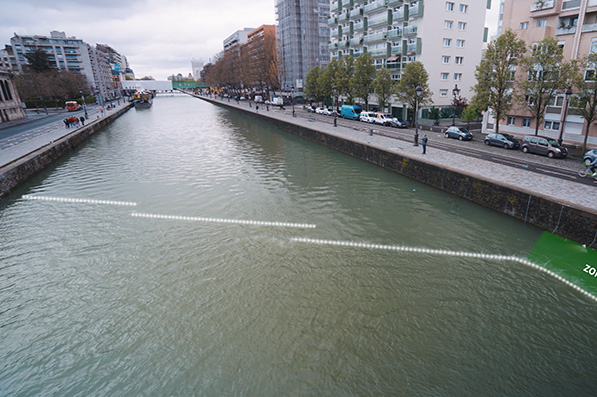
Invisibubble in Paris – Canal de l’Ourcq
In a first in both Paris and France as a whole, a bubble curtain was installed in the Canal de l’Ourcq in Paris city center to collect floating waste in a more effective, more controlled way.
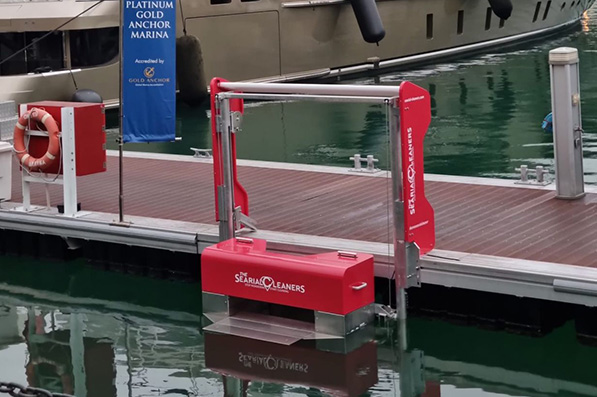
Three Collec’Thors in Singapore
As part of a partnership with ONE 15 MARINA, three Collec’Thors were installed in the Singaporean marina. A communication campaign also showcased our partner’s commitment.
– The most common pollutants –
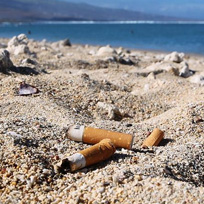
Cigarette butts
Dropping a cigarette butt has a major impact on the environment—just one can pollute 1000 liters of water.
Cigarette butts don’t biodegrade: it takes a minimum of 10 years to break down completely, polluting the soil with thousands of toxic chemicals that harm the environment.
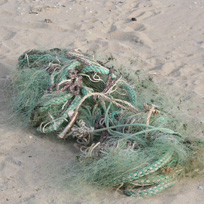
Fishing nets
In European waters, fishing nets account for almost a third of plastic waste discarded at sea.
They are extremely dangerous for local wildlife and cause considerable harm to marine animals every year.
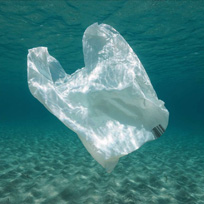
Plastic bags
They take between a hundred and several thousand years to break down.
It all depends on a range of factors such as the composition of the plastic, environmental conditions, and exposure to sunlight.
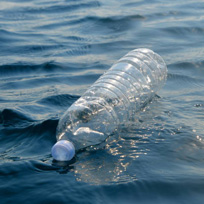
Plastic bottles
Plastic bottles are still used as the main source of drinking water in many countries that are often very popular among tourists, in which drinkable tap water is not available. It generally takes around 450 years for a plastic bottle to break down.
According to the World Count, between 60% and 80% of marine waste is plastic.
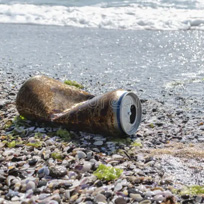
Drinks cans
Drinks cans—an everyday item that embodies our consumer society—break down in around 80 to 100 years.

solutions deployed worldwide
solutions deployed worldwide
waste collection capacity p/y (tons)
regions