

Plastic bottles: a global scourge
Plastic is everywhere in our daily lives, and its omnipresence has become one of the biggest environmental challenges of the 21st century. While plastic bottles represent the pinnacle of modern convenience, their environmental cost is unsustainable. How has plastic pollution spiraled so far out of control? What’s the actual impact on our oceans and our biodiversity?
Plastic bottles: how did we get here?
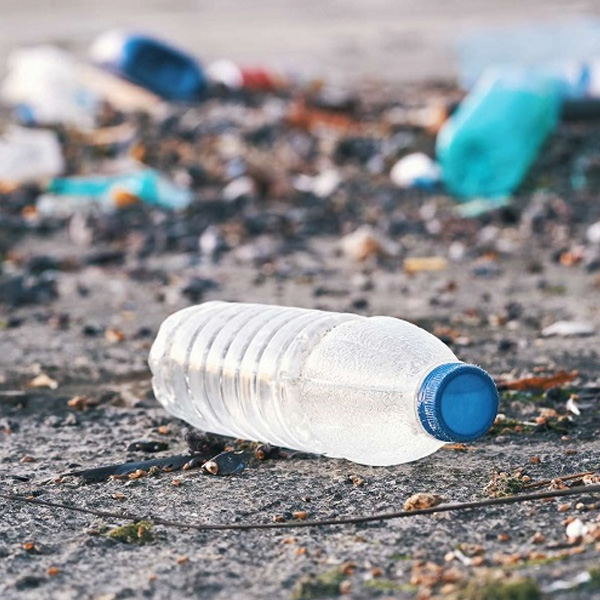
Plastic bottles have experienced a meteoric rise. They first appeared in the 1960s, when they were made using PVC, before becoming widespread in the 1990s thanks to PET (polyethylene terephthalate), revolutionizing the drinks industry with their light weight and strength.
Dizzying acceleration
Over the decades, we have moved from a local consumption model (returnable glass) to a global throwaway culture. In the 1980s, plastic bottles were relatively uncommon, while today, it is estimated that over a million plastic bottles are sold every minute around the world. This growth isn’t just due to population growth but to a radical change in consumption methods in emerging countries and constant marketing for bottled water.
Why are we still so dependent on plastic bottles?
The paradox lies in the fact that plastic is a material designed to last forever but is used to package products that are consumed in a few minutes. Despite the environmental warnings, global production of virgin plastic continues to grow, because making new plastic is cheaper than recycling it. This results in an uninterrupted flow of waste, which global recycling infrastructure can no longer absorb.
An estimated 8–12 million tons of plastic ends up in the ocean every year.
Where does your plastic bottle go when you throw it away? Unfortunately, only a tiny portion is actually recycled using a closed-loop system. The rest often finishes its journey in natural ecosystems.
Staggering orders of magnitude
An estimated 8–12 million tons of plastic ends up in the ocean every year. And if we focus specifically on bottles, tens of billions of them are currently floating on the waves or lying on the seabed. Some areas of the Pacific contain such high concentrations of plastic that it’s sometimes called the “trash continent”.
Critical areas and pollution sources
Pollution doesn’t just appear in the high seas—it’s transported there.
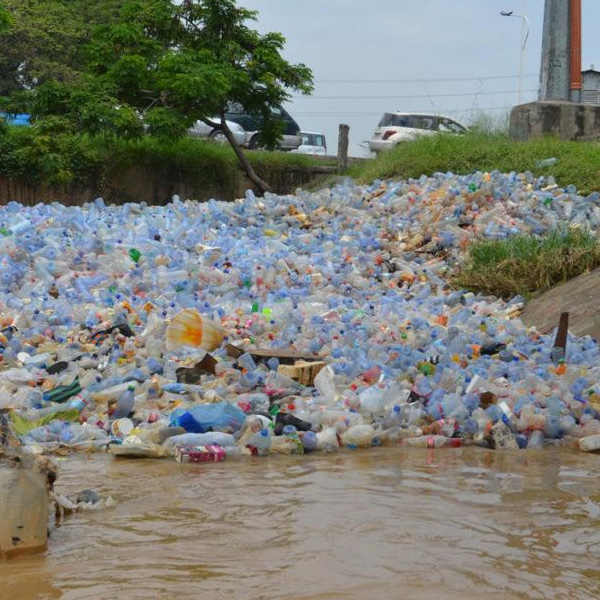
- Rivers—plastic highways: Around 80% of ocean plastic comes from just 1,000 rivers around the world (particularly the Yangtze, the Indus and the Ganges), which serve as natural outfalls.
- Coastal regions: Bottles are mainly dropped in very dense urban areas and tourist destinations with insufficient waste management.
- Ocean gyres: Once the bottles are at sea, the currents carry them to convergence points, where they accumulate over decades, forming plastic soups that can’t be seen from space but are nonetheless devastating.
A plastic bottle’s lifespan in the water is estimated at 450 years
The impact on marine plant and animal life
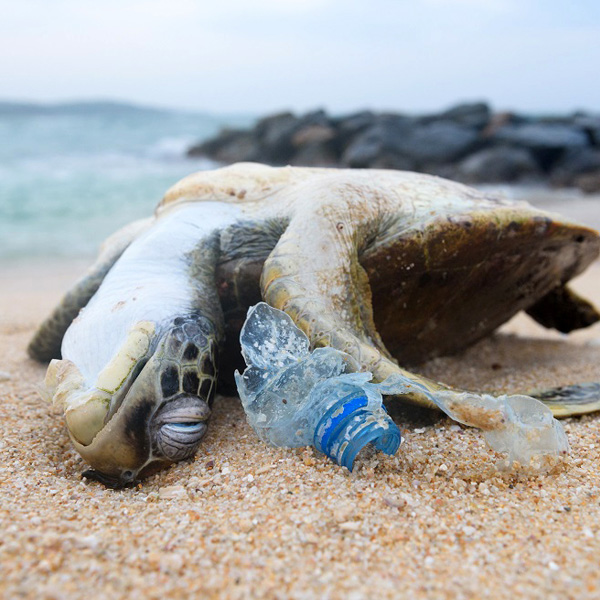
Plastic bottle pollution doesn’t just look unpleasant—it slowly poisons plant and animal life.
How long does it take for a bottle to disappear?
A plastic bottle’s lifespan in the water is estimated at 450 years. But it never really disappears. UV light and the salt water break it down into microplastics (particles of under 5 mm in size). The result is something far more dangerous than an intact bottle, because the particles it creates become impossible to collect.
A threat to plants and animals
- Ingestion and suffocation: Sea turtles often confuse plastic fragments for jellyfish. Seabirds such as albatrosses fill their stomachs with plastic waste, which causes them to feel full and ultimately leads to them starving to death.
- Endocrine disruptors: As it breaks down, plastic releases chemical additives (including phthalates and bisphenols) that contaminate the food chain. The toxins accumulate in fishes’ bodies, sometimes ending up on our plates.
- Habitat destruction: Bottles that sink carpet the seabed, suffocating corals and seagrass meadows, which are essential for many species’ reproduction.
Around 80% of ocean plastic comes from just 1,000 rivers around the world
In conclusion
Despite recent legislation seeking to ban them, global demand—driven by packaging—continues to rise. If current trends continue, plastic production could triple by 2060, making it almost impossible for many developing countries to manage waste created on land.
Tackling plastic waste is a priority for The Searial Cleaners and its partners, who are focusing first on limiting plastic waste in the sea, then stopping more from arriving.